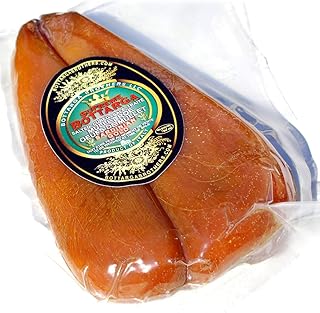
In the pantheon of gourmet ingredients, few possess the mystique, history, and intense flavor of Bottarga. Often called "Sardinian Gold," this cured fish roe is a cornerstone of Italian and Mediterranean cuisine, offering a concentrated burst of umami that elevates simple dishes to extraordinary heights. For the uninitiated, Bottarga might seem like a niche product, but for chefs and food enthusiasts worldwide, it's a secret weapon for adding depth and complexity.
What Exactly is Bottarga?
At its core, Bottarga is the salted, cured, and dried roe sac of fish, primarily grey mullet (muggine) or bluefin tuna. The process is ancient, believed to have been perfected by Phoenician and later Sardinian fishermen as a method of preservation. The result is a hard, amber-colored slab that can be grated or thinly sliced. Its flavor is intensely savory, briny, and oceanic, with a lingering richness that is unmistakable. It's often compared to a more refined, less fishy version of anchovies or a dry, salty caviar.
The Two Kings: Mullet vs. Tuna Bottarga
The most common and celebrated type is Grey Mullet Roe Bottarga, particularly from the Cabras lagoon in Sardinia. Products like Bottarga Di Muggine from L'Oro di Cabras or Sanniti Bottarga Cured Mullet Roe represent this tradition. They offer a balanced, nutty, and complex umami profile. On the other hand, Tuna Bottarga, like the Sicilian Grated Bluefin Tuna Bottarga, tends to be larger, darker, and possesses a stronger, more robust flavor. Both are exceptional, and the choice often comes down to personal preference and the specific dish.
Why "Sardinian Gold" Lives Up to Its Name
The term "Sardinian Gold" isn't just marketing hyperbole. Authentic Sardinian Bottarga, such as the various weights of "Sardinian Gold" - Authentic Sardinian Bottarga/Kosher (available in 3oz, 3.5oz, 5oz, and 6.3oz sizes), is revered for its quality. The unique marine environment of Sardinia, especially around Cabras, imparts a specific flavor to the mullet roe. The traditional slow-curing process under the Mediterranean sun concentrates the flavors without harshness, resulting in a product that is truly a gourmet ingredient worthy of its golden nickname.
How to Use Bottarga in Your Kitchen
The beauty of Bottarga lies in its versatility. It's a pantry staple that can transform weeknight meals. The simplest and most iconic use is grated over pasta. A classic is spaghetti with olive oil, garlic, and a generous snowfall of grated Bottarga. For convenience, pre-grated options like Sardinian Grated Bottarga or Le Mareviglie - Grated Bottarga Mullet Roe are perfect for this. Beyond pasta, try it:
As a finishing touch: Grate over risotto, scrambled eggs, or creamy polenta.
In salads: Shave thin slices over a simple butter lettuce or tomato salad.
On crostini: Spread fresh ricotta or avocado on toast and top with Bottarga.
With seafood: Enhance grilled fish or seared scallops with a sprinkle.
In compound butter: Mix grated Bottarga into softened butter for an instant umami flavor boost for steaks or vegetables.
Choosing and Storing Your Bottarga
When selecting a whole Bottarga, like the beautiful Smeralda Italian Whole Bottarga, look for a firm, dry texture and a deep, uniform color. It should have a pleasant marine aroma, not an overly fishy smell. Whole Bottarga can be stored wrapped in parchment paper and then in an airtight container in the refrigerator for months. Grated Bottarga should be kept in the fridge and used within a few weeks for optimal flavor. For a deeper dive into selection and usage, check out resources like the Bottarga Guide on using Sanniti Cured Mullet Roe.
Incorporating Bottarga into your cooking is an adventure into the heart of Mediterranean cuisine. Whether you opt for the iconic Sardinian Bottarga, the bold Sicilian tuna version, or the convenience of grated, this premium seafood condiment offers a unique taste of tradition and luxury. Start with a small amount grated over your next plate of pasta, and you'll understand why this Italian delicacy has been treasured for centuries.